Looking for Winter Garden painting experts who manage Central Florida's variable weather conditions? You'll get environmental assessment, dew‑point and substrate moisture checks, and standards-compliant systems with low‑temp, quick-drying coatings. We meticulously pressure wash to calibrated PSI, remove mildew, fix substrates, and choose primers and film builds as per manufacturer and FBC guidelines. Interiors are finished with low‑odor, scrub‑resistant finishes; exteriors are protected with UV-protected, weather-resistant systems. Trust in licensed crews, complete OSHA standards, comprehensive prep, and clear timelines, estimates, and warranties-this approach illustrates how we safeguard your investment.
Essential Points
- Local specialists well-versed in Winter Garden weather patterns, expertly scheduling accounting for cool snaps, humid daybreaks, and quick humidity changes to prevent coating problems.
- Meticulous preparation including calibrated cleaning, mildew and rust treatment, decay remediation, careful surface smoothing, protective back-priming, and substrate moisture testing.
- Code-compliant systems: low-temperature acrylics and elastomeric coatings conforming to Florida Building Code and manufacturer DFT/recoat requirements.
- Interior excellence showcased through low-odor, scrub-resistant, and mildew-inhibiting finishes, plus precise trim enameling, clean jobsites, and compliance with HOA and VOC requirements.
- Professional management: detailed estimates, documented product data, licensed and insured crews, OSHA-compliant setups, defined timeline planning, and warranty-ready documentation.
Why Local Expertise Matters in Central Florida's Climate
Why does local expertise matter so much in Central Florida? You experience quick shifts in temperature, intense sunlight, and frequent moisture cycles. Local contractors who are familiar with area regulations, surface conditions, and seasonal scheduling protect your property and reduce rework. They utilize microclimate analysis to identify wind patterns, shade distribution, and splash areas that speed up coating deterioration. Based on this data, they specify proper finishing systems, foundation layers, and film builds that satisfy application guidelines and Florida Building Code regulations.
You also need exact humidity management. Professional contractors perform thorough moisture testing, including environmental and surface measurements, confirm appropriate temperature-moisture spread, and plan installation during appropriate windows. They adjust drying times, incorporate mildew-resistant components, and utilize breathable finishes on stone surfaces to prevent moisture-related blistering. Regional expertise ensures durable outcomes, proper documentation, and predictable maintenance costs.
Interior Painting Excellence for Every Room
Enhance each space with professional painting solutions customized for Central Florida building standards. You'll receive room-specific solutions that respect VOC limits, fire-rated assemblies, and HOA color guidelines. For kitchens, we apply durable, moisture-tolerant finishes; bathrooms feature mildew-inhibiting coatings and waterproofed areas; bedrooms prioritize low-emission, soft-luster comfort; common spaces showcase balanced luster and crisp edges.
We commence with comprehensive surface analysis, repairs, and detailed masking to protect fixtures and floors. Our team perform sharp cut-ins, uniform coating depth, and documented dry times for predictable completion. Transform focal points with accent walls that complement existing interior elements. Complete trim refinements by smoothing, sealing, and coating trim work and door surfaces for durable, chip-resistant edges. You'll see consistent coverage, exact color matching, and approved products in every room.
Exterior Preparation and Weather-Resilient Finishes
The first step is assessing substrate soundness, before moving on to thorough surface cleaning, including rust and mildew treatment, hole filling, and sealant application to comply with code and manufacturer requirements. Next, you select primers compatible with existing surface coatings and surface materials to ensure strong bonding and even moisture regulation. When Winter Garden experiences cold snaps, you choose cold-weather acrylics or elastic finishes rated for low-temperature curing and early moisture resistance, observing precise film-build specifications and recoating schedules.
Surface Maintenance and Restoration
Consistently thorough cleaning and strategic repairs create the groundwork for strong, climate-resistant exterior finishes in Winter Garden's moisture-heavy, storm-exposed climate. You begin by clearing biofilm, chalking, and wind‑borne contaminants with properly adjusted pressure washing, adjusting PSI to protect stucco, wood, and fiber‑cement. Where paint systems break down, perform controlled paint stripping, using authorized stripping processes, with measures to control drainage into storm drains per local ordinances. After achieving required dryness standards, inspect for wood damage, material separation, and metal degradation. Swap out deteriorated materials, reset or upgrade fasteners, and fill checks with exterior‑grade epoxy or elastomeric sealants. Feather sand transitions, back‑prime raw edges, and spot‑prime stains and galvanized metals. Record surface status, repair materials, and setting duration to confirm preparation before finish application.
Winter Coating Guidelines
Although Central Florida rarely experiences freezing temperatures, Winter Garden's cold snaps and damp mornings necessitate cold-weather coatings and disciplined application timing. You'll want to specify products engineered for low temperature film formation-typically 35-40°F-coupled with humidity-blocking coatings to fight morning moisture and nighttime condensation. Choose fast curing systems to reduce open time and avoid dew-set issues. On marginal days, prime with anti freeze primers designed to ensure adhesion and block moisture infiltration when substrates are cold.
Examine manufacturer data sheets, detailing minimum material and environmental temperatures, recoat times, and dew point spread (maintaining 5°F). Use digital moisture meters and infrared temperature sensors to confirm conditions before proceeding. Time application during midday hours, enabling surfaces to heat up and evaporate. Document conditions to protect warranty and code compliance.
Design Trends and Color Consultation Services
While project requirements and surface prep set the base, expert color guidance harmonizes your vision with modern design elements, HOA regulations, and ongoing upkeep requirements. You'll strike the right balance of beauty and conformity, more info considering light reflection metrics, and community guidelines to avoid corrections or citations. We analyze seasonal color options to harmonize with Winter Garden's solar conditions, foliage, and architectural style, selecting refined neutral colors, sun-resistant midtones, and distinctive trim for enhanced detail.
We'll analyze and map finish schedules according to exposure: south and west elevations require UV-resistant pigments; shaded areas can feature richer hues maintaining color longevity. Utilize accent methods using entry doors, window trim, and soffits to achieve dramatic effects while reducing repainting frequency and maintaining budget efficiency. Popular contemporary choices showcase natural beiges, subdued greens, oceanside tones, and subtle metallic sheens that harmonize with clay tile and stucco.
Surface Restoration, Priming, and Special Coatings
Prior to painting, you must remedy cracks and holes using compatible fillers and ensuring adequate drying time to meet manufacturer specifications. Following that, you'll pick base coats that are suitable for the surface and conditions, ensuring strong bonding, stain resistance, and rust protection where required. Based on performance requirements or building codes, you must choose specific coating systems-like epoxies, intumescents, or elastomerics-according to environmental factors, durability targets, and warranty provisions.
Surface Damage Repairs
The proper treatment of cracks and holes creates the groundwork for a strong, up-to-code finish. Start by determining the surface material-gypsum, plaster, stucco, or masonry-and noting damage extent, movement patterns, and moisture issues. For stable cracks, carve a clean V-channel, vacuum thoroughly and insert matching repair materials following established repair methods. For active joints, insert an elastomeric sealant with proper backer rod and correct depth-to-width ratio.
When fixing drywall, begin by stabilizing any loose paper, followed by applying drywall bonding primer to rehabilitate damaged areas. Opt for fiberglass or paper tape depending on fire-rating needs and structural movement. To repair substantial damage, utilize backing boards or preformed patches, and gradually blend drywall compound in measured lifts to achieve proper thickness. Sand progressively, check flatness with angled lighting, and confirm that drying periods meet building regulations and product instructions.
Professional Primers and Coatings
Select purposeful primer coatings to provide bonding, sealing, and protection based on substrate, exposure, and code-driven performance. Following repair of damaged areas, establish proper surface profile, verify dryness with meters, and evaluate bonding. For masonry or stucco in high-moisture environments, use moisture barrier primers to prevent vapor drive and efflorescence, improving topcoat durability. On steel surfaces, eliminate corrosion to SSPC standards, check surface roughness, then apply anti-corrosion coatings with specified mil thickness and salt resistance. For weathered painted surfaces, apply adhesion-promoting primers; on woods with extractive bleeding, select stain-blocking primers. Where chemical exposure is expected like commercial kitchens and pool areas, use high-performance coating systems. Document product data, VOC content, and cure windows to meet regulatory standards.
Timeline Management, Budget Planning, and Clear Cost Estimates
While all residential and business location is distinct, you will receive precise timetables, detailed cost estimates, and a written estimate that outlines surface prep, materials, labor and contingencies. We deliver Timeline forecasts based on site evaluation, substrate condition, access, and cure times for primers and finishes. You'll see project timelines, progress markers, and essential activities so you can arrange your activities.
Cost visibility shapes choices. We distinguish between fixed and variable costs, outlines product requirements by vendor and component, and catalogs allowances for substrate repairs. We highlight potential change orders with thresholds, sign-off procedures, and price breakdowns, so scope shifts don't surprise you. We provide documentation prepared for procurement review, including tax forms, liability coverage documentation, and financial timelines tied to milestones, quality checks, and final verifications.
Licensed Teams, Safety Protocols, and Pristine Work Sites
With timelines and budgets clearly outlined, you need to be confident that qualified professionals will complete the project securely and maintain your property's orderliness. It's important to verify licensed crews who comply with Florida contractor regulations and hold current liability and workers' compensation coverage. Don't forget to ask for license numbers and certificates and validate these documents before work begins.
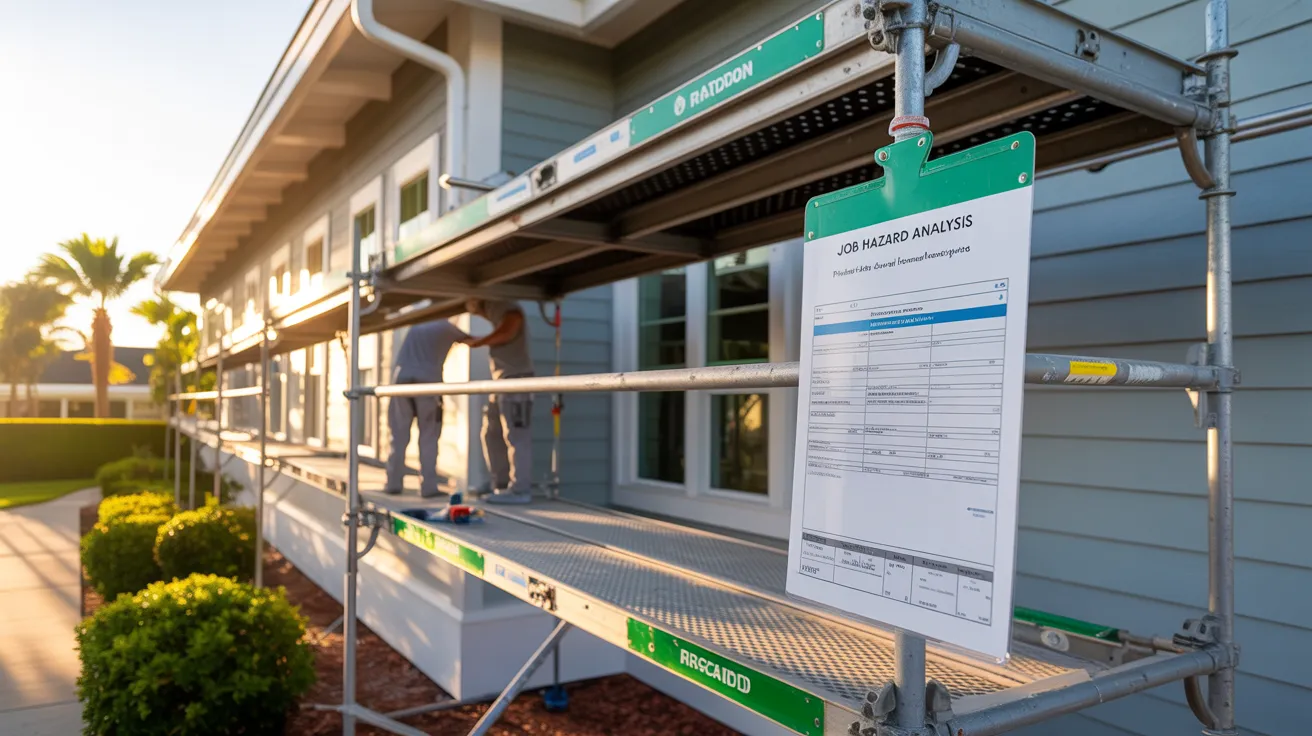
Enforce documented safety standards: ladders and scaffolding that meet OSHA standards, respiratory protection protocols for spray-based work, lead-safe work practices when working with pre-1978 coatings, and lockout/tagout where applicable. Crews should conduct daily workplace hazard evaluations, maintain proper signage, and maintain clear evacuation routes.
Maintaining a clean workspace is non-negotiable. Professional contractors set up proper containment, safeguard landscaping and fixtures, manage dust control, and stage materials in an orderly manner. They perform comprehensive daily cleanups, identify waste appropriately, and handle solvents in accordance with local and EPA regulations.
Essential Tips for Maintaining Your Paint's Longevity
After proper application, your paint system needs periodic upkeep to reach its rated service life. Check every three months for signs of chalking, blistering, or hairline cracks. Address localized problems with regular repairs to stop moisture penetration. Rinse exterior finishes once a year with balanced detergent; rinse thoroughly to eliminate salts and mildew spores. For interior spaces, control humidity: keep RH between 40-55% to reduce condensation and joint movement. Service gutters, caulking, and flashing to prevent water penetration behind coatings. Prune vegetation to enable proper airflow and sun exposure. For high-traffic interior areas, utilize felt pads, bump guards, and consistent dusting to reduce abrasion. Record maintenance activities and product lots for warranty requirements. When recoating, adhere to manufacturer DFT, recoat windows, and surface prep standards per PDCA/ASTM.
Frequently Asked Questions
Are Eco-Friendly, Low-VOC Paint Options Available for Sensitive Households?
Absolutely, we provide green , low-VOC systems designed for health-conscious homes. We specify minimal-smell finishes, ultra-low or zero-VOC primers and topcoats, featuring plant-based pigments. We carefully verify safety documentation and green certifications meeting all EPA and local AQMD limits. We develop detailed ventilation plans, section off project spaces, and conduct air quality monitoring. You'll be given comprehensive material data including batch VOC certification prior to starting to guarantee transparency and safety.
How Can You Navigate HOA Rules and Secure Approvals?
Without a doubt. You won't lift a finger while we handle all the complex regulations. We take care of all HOA approvals: paperwork handling, color selections, and scope descriptions aligned to neighborhood compliance. We coordinate directly with board managers for timing arrangements, making sure everything aligns with your timeline. We submit required forms, track responses, and modify plans to satisfy requirements. You receive regular status updates, official authorizations, and an approved commencement free of complications.
What Steps Are Taken to Protect Landscaping, Furniture, and Fixtures While Painting
We diligently protect landscaping, furniture, and fixtures by setting up controlled work zones and strategically placing materials. We utilize protective barrier installation over turf and hardscape, raise perimeter edges for water flow, and seal joints to avoid spray migration. We perform plant trunk wrapping with breathable material, shield shrubs with protective enclosures, and move container plants to safe locations. We remove or mask fixtures with protective sheeting and gentle adhesive, bag sprinkler heads, and pad furniture. We ensure proper ventilation, control overspray, and follow manufacturer and HOA requirements.
Are Digital Mockups or Sample Boards Available Before Proceeding?
Yes - you receive physical samples and digital renderings before moving forward. Like seeing the road ahead, we create color renderings adapted to your lighting conditions and substrate. You'll review material options, lustre choices, and finish assemblies to verify compatibility with VOC and warranty requirements. We calibrate monitors, consult color guides, and create sample applications at the project site, documenting selections for final confirmation. You approve iterations, ensuring scope clarity, cost compliance, and predictable outcomes.
What Type of Warranties and Workmanship Guarantees Are Offered After Completion
We offer a documented Workmanship guarantee that covers defects arising from surface prep, application, and curing. Coverage periods generally extend 2-5 years for interiors and 1-3 years for exteriors, subject to proper maintenance and manufacturer guidelines. We fix peeling, blistering, or adhesion failures at no cost; exclusions cover substrate movement, moisture intrusion, and unauthorized alterations. You'll be given documentation specifying claim procedures, response times, and product warranties, maintaining clear accountability and regulatory compliance.
Wrapping Up
You now understand how professional experience, thorough preparation, and qualified teams secure your home and finances. You're familiar with material chemistry, paint choices, and climate considerations. You've got a comprehensive proposal, a structured plan, and care instructions to stretch every coat. Now the question lingers: will you secure your timeline before weather conditions change? Pick your shades, confirm the work, and we'll start. Because the timeframe for ideal application-and perfect finish is approaching... and won't last long.